Ayurveda’s Guide to the Gut-Brain Axis

Ayurveda’s Guide to the Gut-Brain Axis

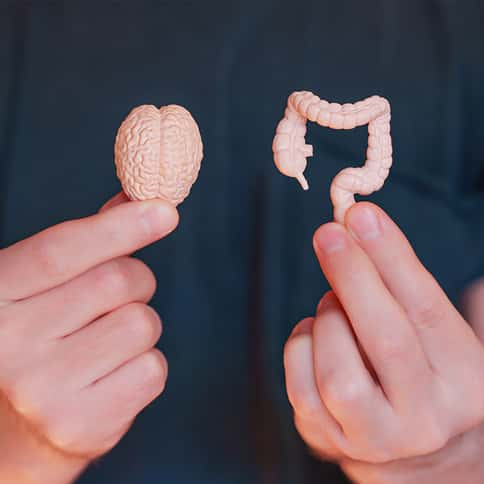
The concept of the gut-brain axis, a bi-directional communication network between our digestive system and brain, has gained significant attention in modern science. However, Ayurveda, an ancient system of holistic health from India, has long recognized the profound connection between the gut (Agni) and the mind (Manas). This blog explores how Ayurvedic principles can be applied to support the gut-brain axis, with practical tips tailored specially for a European lifestyle.

The gut–brain axis explains how digestion, emotions, stress, and mental clarity are deeply interconnected. Ayurveda understood this connection thousands of years ago, describing how an imbalanced digestive fire (Agni) directly influences anxiety, mood swings, brain fog, and fatigue. At ASHAexperience, this ancient insight is applied to modern European lifestyles—helping individuals restore digestive balance to support emotional and mental well-being naturally.

Understanding the Gut-Brain Axis in Ayurveda
In Ayurveda, the gut is considered the seat of Agni, the digestive fire. A balanced Agni is crucial for proper digestion, assimilation, and elimination, directly impacting mental clarity and emotional stability. Conversely, a disturbed Agni can lead to digestive issues and mental imbalances.
Ayurveda classifies the mind into three Gunas: Sattva (clarity and calmness), Rajas (activity and restlessness), and Tamas (inertia and darkness). The state of our Agni influences these Gunas, affecting our overall mental and emotional health.

How Ayurveda Maps the Gut–Brain Axis as a Living Feedback System

Modern science describes the gut–brain axis as a two-way communication network.
Ayurveda approaches it differently — as a living feedback system that continuously adjusts digestion, emotions, and cognition in real time.

Instead of isolating the gut or the brain, Ayurveda observes how information flows through the body:

  • Digestion interprets experience (food, stress, sensory input)

  • The nervous system responds through mood, focus, and emotional tone

  • The gut adapts based on that response — strengthening or weakening digestion

When this loop is healthy, digestion feels light, emotions are stable, and the mind remains clear.
When disrupted, the body enters a state of constant correction — resulting in symptoms like anxiety after meals, mental fog, emotional reactivity, or persistent digestive discomfort.

What makes Ayurveda unique is that it doesn’t label these as separate problems.
It treats them as signals within one intelligent system, requiring synchronized support — not isolated treatment.

At ASHAexperience, this understanding allows Ayurvedic doctors to assess patterns, not just symptoms — especially important for individuals navigating modern European lifestyles where mental load often precedes digestive imbalance.

Why the Gut–Brain Axis Breaks Down in Modern European Living

In Europe, digestive and mental imbalances rarely begin with food alone. They are often the result of how modern life trains the nervous system to stay constantly alert.

From an Ayurvedic perspective, the gut–brain axis weakens when the body is pushed into long periods of overstimulation without adequate grounding or recovery.

Common European lifestyle patterns that disrupt gut–brain balance:

  • Cognitive overload from prolonged screen time and decision fatigue

  • Irregular eating hours due to work schedules and travel

  • Cold breakfasts and raw meals, especially in cooler climates

  • Excess caffeine replaces proper morning nourishment

  • Late dinners that interrupt digestive–neurological repair cycles

  • Chronic low-grade stress that suppresses digestive intelligence

  • Reduced sensory rest, even outside working hours

Ayurveda recognizes these patterns as a gradual depletion of digestive resilience rather than a sudden dysfunction. Over time, the gut begins reacting to mental pressure before food is even consumed — creating a loop where stress weakens digestion, and impaired digestion amplifies mental tension.

This explains why many people experience digestive discomfort alongside anxiety, restlessness, sleep disturbances, or mental fatigue — without any clear medical diagnosis.

At ASHAexperience, this European lifestyle context is central to how Ayurvedic guidance is shaped — helping individuals restore balance without disconnecting from their daily reality.

Importance and Relevance of in Gut-Brain Axis in Today’s Life
In our fast-paced modern world, the gut-brain axis holds immense importance. The pressures of daily life, coupled with processed foods and sedentary lifestyles, can disrupt this delicate balance, leading to a myriad of health issues. Understanding and maintaining the gut-brain connection is essential for several reasons.

1. Hormonal Balance:

The gut produces and regulates numerous hormones, including serotonin, often called the “happy hormone,” and cortisol, the stress hormone. A healthy gut promotes balanced hormone levels, contributing to emotional well-being.
Balanced hormones can lead to improved mood, reduced anxiety, better sleep, and overall enhanced quality of life.

2. Immune System Support:

A significant portion of the immune system resides in the gut. A healthy gut flora strengthens the immune response, helping the body fight off infections and diseases.
Strong immunity can reduce the frequency of illnesses and improve resilience against common colds, flu, and even chronic diseases.

3. Mental Health:

The gut-brain axis plays a crucial role in mental health. Imbalances in gut health can lead to mental health disorders such as depression, anxiety, and cognitive decline.
Maintaining gut health can help prevent and manage mental health issues, leading to improved cognitive function and emotional stability.

4. Metabolic Health:

The gut influences metabolic processes, including nutrient absorption and fat storage. Poor gut health can lead to metabolic disorders like obesity and diabetes.
A healthy gut can aid in weight management, enhance energy levels, and prevent metabolic diseases.

Health Challenges Avoided by Being Cautious
By maintaining a balanced gut-brain axis through Ayurvedic principles, several health challenges can be mitigated:

1. Gastrointestinal Disorders: Conditions such as IBS, acid reflux, and bloating can be prevented by supporting digestive health.

2. Mental Health Issues: Anxiety, depression, and mood disorders can be managed more effectively.

3. Autoimmune Diseases: A robust immune system can lower the risk of autoimmune conditions like rheumatoid arthritis and Crohn’s disease.

4. Chronic Inflammation: Reducing gut inflammation can help prevent chronic inflammatory diseases, including cardiovascular diseases and certain cancers.

Diet: Ingredients with Ayurvedic Principles

1. Fiber-Rich Foods:

Why: Fiber supports healthy digestion and microbiome diversity, which is crucial for the gut-brain axis.
Suggestions: Incorporate whole grains like oats, barley, and rye; root vegetables like carrots and parsnips; and leafy greens like kale and spinach.

2. Probiotics and Prebiotics:

Why: Probiotics nourish beneficial gut bacteria, while prebiotics serve as food for these bacteria.
Suggestions: Enjoy fermented foods such as sauerkraut, kefir, and yogurt. Include prebiotic-rich foods like garlic, onions, and asparagus.

3. Spices and Herbs:

Why: Many Ayurvedic spices support digestion and have anti-inflammatory properties.
Suggestions: Use turmeric, ginger, cumin, and fennel in your cooking. These can be easily incorporated into dishes like stews, soups, and salads.

4. Seasonal and Local Produce:

Why: Eating seasonally and locally ensures freshness and aligns with nature’s rhythms.
Suggestions: Visit local farmers’ markets for seasonal fruits and vegetables. In summer, enjoy berries, tomatoes, and cucumbers; in winter, opt for root vegetables and hearty greens

Simple Ayurvedic Practices to Support the Gut–Brain Axis 

  • Start mornings with warm water to awaken digestion

  • Eat in a calm, seated environment (no screens)

  • Use cumin, fennel, and ginger for digestive clarity

  • Avoid late dinners to protect mental rest

  • Practice slow breathing after meals

  • Prioritize sleep before 11 pm to support gut repair


Lifestyle Suggestions for a Balanced Gut and Mind

1. Mindful Eating:

Eating mindfully enhances digestion and absorption of nutrients.
Suggestions: Avoid distractions while eating. Focus on the taste, texture, and aroma of your food. Chew thoroughly and eat at a moderate pace.

2. Regular Exercise:

Physical activity supports digestion and reduces stress.
Suggestions: Engage in activities that you enjoy, such as walking, cycling, yoga, or swimming. Aim for at least 30 minutes of moderate exercise most days of the week.

3. Stress Management:

Chronic stress can disrupt the gut-brain axis.
Suggestions: Practice relaxation techniques such as meditation, deep breathing exercises, or spending time in nature. Incorporate hobbies that bring you joy and relaxation.

4. Adequate Sleep:

Restorative sleep is essential for gut health and mental well-being.
Suggestions: Establish a regular sleep routine. Ensure your bedroom is a calm, dark, and cool environment. Avoid screens and heavy meals before bedtime.

Yoga for the Gut-Brain Axis
Yoga, an integral part of Ayurveda, offers numerous benefits for the gut-brain axis by promoting relaxation, reducing stress, and enhancing digestive function. Here are some yoga postures (asanas) that support the gut-brain connection:

1. Balasana (Child’s Pose)

Importance: Calms the mind, relieves stress, and gently compresses the abdominal organs to aid digestion.
Who Should Avoid: Those with knee injuries or severe back problems should avoid or modify this pose.

2. Apanasana (Knees to Chest Pose)

Importance: Helps release gas, improves digestion, and relaxes the lower back.
Who Should Avoid: Those with hip or knee issues should perform this pose with caution.

3. Paschimottanasana (Seated Forward Bend)

Importance: Stimulates the digestive organs, calms the mind, and stretches the spine.
Who Should Avoid: Those with lower back injuries or tight hamstrings should avoid deep forward bends or modify the pose.

4. Marjaryasana-Bitilasana (Cat-Cow Pose)

Importance: Massages the abdominal organs, improves spinal flexibility, and reduces stress.
Who Should Avoid: Those with wrist or knee problems may need to modify the pose or use props for support.

5. Ardha Matsyendrasana (Half Lord of the Fishes Pose)

Importance: Stimulates the digestive fire, improves digestion, and enhances spinal mobility.
Who Should Avoid: Those with spine or shoulder issues should modify the twist or seek guidance from a yoga instructor.

Ayurvedic Herbs for Healthy Gut and Mind

1. Ashwagandha:

Known for its adaptogenic properties, Ashwagandha helps manage stress and supports overall well-being.
Usage: Available in powder or capsule form. Can be added to smoothies, teas, or taken as a supplement.

2. Triphala:

This traditional Ayurvedic formulation supports digestion and detoxification.
Usage: Usually taken as a powder mixed with warm water or in capsule form before bed.

3. Brahmi:

Enhances cognitive function and promotes mental clarity.
Usage: Available as a powder, capsule, or liquid extract. Can be taken with warm water or milk.

FAQ

Can gut health really affect anxiety and mood?
A: Yes. Ayurveda explains that impaired digestion disrupts mental clarity and emotional balance by affecting the regulation of the nervous system.

Q: Which dosha affects the gut–brain axis the most?
A: Vata governs both the nervous system and digestion, making it the primary dosha involved in gut–brain imbalance.

Q: Can Ayurveda help chronic gut–stress cycles?
A: Yes. Personalized Ayurvedic guidance addresses digestion, routines, diet, and mental stress together.

At ASHAexperience, Ayurvedic doctors work with individuals across Europe to decode the gut–brain connection through personalized consultations—considering digestion, mental load, lifestyle rhythms, and emotional health together. This integrative approach helps restore balance at both the digestive and neurological levels.

The principles of Ayurveda offer a timeless and holistic approach to maintaining the health of the gut-brain axis.

By integrating these dietary, lifestyle, and yoga suggestions, we can harness the wisdom of Ayurveda to support our digestive and mental well-being.

Remember, the key to a healthy gut-brain axis lies in balance, mindfulness, and a connection to nature’s rhythms.
Embrace these Ayurvedic practices to nurture your gut, calm your mind, and enhance your overall quality of life. By being mindful of the gut-brain connection, we can avoid numerous health challenges and lead a more balanced and fulfilling life.

Speak with our experienced Ayurvedic Doctors, today to learn more about Ayurvedic wisdom for maintaining the health of the gut-brain axis. Team ASHAexperience offers ancient Ayurvedic treatment and practices to the world for a sustainable society by offering self-care practices through Ayurveda and Yoga

We believe in collaborative relationship-based care where our Ayurvedic Doctors, Ayurvedic Practitioner, Ayurvedic Supplement Brands, Ayurvedic Nutritionists & Chefs, Yoga, and Meditation Trainers are in sync. Contact the team who passionately works together to hold your hand in this healing journey.