
Ayurveda and Women’s Health, Pain-Free Periods

Can Ayurveda Help With Pain-Free Periods?
Yes. Ayurveda addresses painful periods by correcting hormonal rhythm, digestion, stress response, and nervous system balance. Instead of suppressing symptoms, Ayurvedic care focuses on restoring flow, reducing inflammation, and supporting the body’s natural cycle — especially relevant for modern European lifestyles.
Why Period Pain Is Increasing Among European Women
Modern lifestyles across Europe have quietly altered menstrual health:
- High mental load & performance pressure
- Irregular meals and digestive stress
- Cold climates affecting circulation
- Late dinners and screen exposure disrupting hormones
Ayurveda views period pain not as “normal”, but as a signal of imbalance — often linked to digestion, stress, and lifestyle rhythm rather than the uterus alone.
For many women, experiencing pain several days to weeks before the onset of the monthly period is an unfortunate reality. Research shows that almost 40% of women experience premenstrual symptoms, which disrupt their daily lives.
What Does Ayurveda Say About Women’s Health?
According to Ayurveda, during a woman’s menstrual cycle, the Apana vayu, which is connected to the Vata dosha and governs the downward flow of energy in the pelvis, is working to cleanse the body of the uterine lining once menstruation takes place. The increased Vata qualities in the body can result in symptoms such as anxiety, insomnia, fear, and scatteredness, inability to focus, feeling cold, constipation, and tiredness.
Ayurvedic Terms Explained
- Apana Vata – Governs downward flow; imbalance causes cramps and irregularity
- Agni – Digestive fire; weak Agni leads to toxin buildup affecting cycles
- Ama – Metabolic residue that contributes to inflammation and pain
- Ojas – Vital essence supporting hormonal stability and resilience
Period Symptoms Ayurveda Looks At Differently
| Period Symptom | Ayurvedic Interpretation |
|---|---|
| Sharp cramps | Vata imbalance and restricted circulation |
| Heavy bleeding | Pitta imbalance with excess internal heat |
| Clotting | Accumulation of Ama (metabolic residue) |
| Fatigue | Low Ojas and weakened digestive strength |
Ayurvedic Tips/Solutions for Period Pain Relief
1. Yoga
Child’s Pose (Balasana)
Yoga is not merely a practice of stretching the body; it is a way of creating harmony within. Many postures gently awaken and support the internal organs, offering a quiet, restorative massage from the inside. Child’s Pose allows the reproductive organs to soften and relax, while releasing built-up tension in the back, shoulders, and neck — encouraging a sense of ease, balance, and inner calm.
Inverted leg pose – Viparita Karani
Physical, mental, and emotional benefits abound in this pose. The inverted leg pose improves circulation and digestion, lowers blood pressure, boosts energy levels, and soothes your nervous system. It’s also said to increase creative thinking and problem-solving.
During menstruation, avoid full inversions.
Practise only those postures where the pelvis stays grounded or remains at the same level as the head. Poses that elevate the pelvis above the head — such as
1. Salamba Sarvangasana (supported shoulder stand) and
2. Sirsasana (headstand) — reverse the body’s natural downward flow (Apana Vayu),
which supports the menstrual process. Interrupting this flow may place unnecessary strain on the body and, over time, contribute to hormonal or energetic imbalance.
Wide Angle Seated Forward Bend – Upavistha Konasana
Whether you are menstruating or not, the wide-angle seated forward bend is a deeply supportive posture when everyday stress begins to accumulate. As with most yoga asanas, its benefits extend beyond a single effect. This gentle forward fold stimulates the abdominal organs, encouraging circulation and relaxation in the pelvic area — which can help ease menstrual discomfort both immediately and over time.
Reclining Twist – Bharadvaja
One of the most popular poses for dealing with menstrual pain is the reclining twist.
Why? Because it feels good and has massive health benefits. For starters, your back and hips will get a great stretch (much-needed if you’re dealing with aches and pains from your period). Moreover, your digestive organs will get the required stimulation due to the fresh blood flow from this pose.
Cobra Pose – Bhujangasana
The Cobra asana helps to stretch the abdominal and lower abdominal portions. Your lower back and lower belly will both benefit from the cobra position. This helps relieve menstrual cramps and tension in the lower back.
2. Dietary Guidance During Menstruation – Eat light, warm, cooked foods
Although this guidance may appear simple, it can be challenging for many women — particularly those accustomed to raw or cold foods. From an Ayurvedic and therapeutic perspective, menstruation is a time when the body benefits most from warmth, simplicity, and digestibility.
Recommended approach:
-
Choose warm, cooked, and lightly prepared meals
-
Focus on foods that are easy to digest and nourishing
-
Support the digestive system rather than overloading it
Foods to limit or avoid during this time:
-
Raw salads and uncooked vegetables
-
Unsoaked nuts and legumes
-
Refined sugar and highly processed foods
Raw and cold foods require greater digestive effort and can weaken Agni (digestive fire). By choosing cooked, warming meals, the body can redirect its energy towards natural cleansing and hormonal regulation — particularly important for women prone to bloating, constipation, or digestive discomfort.
3. Get plenty of rest
4. Stay hydrated
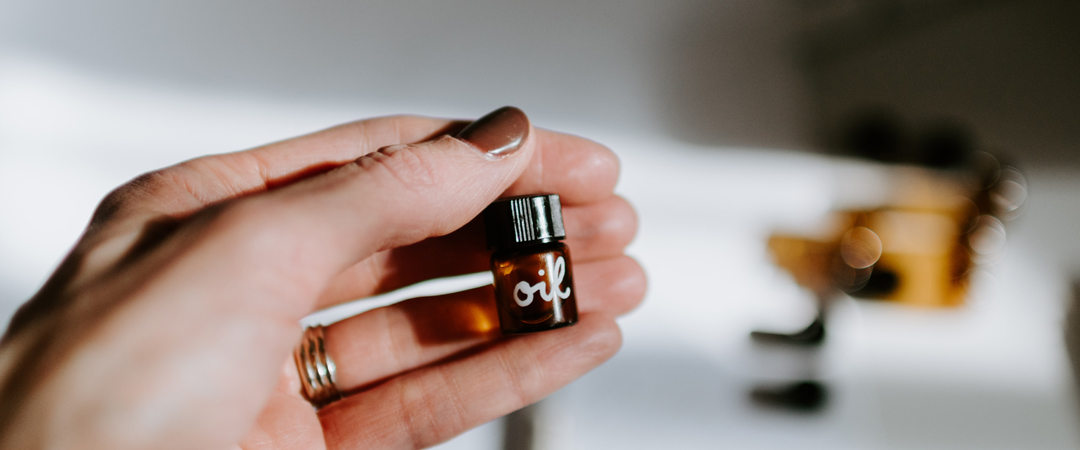
5. Massage with essential oils
Self-Massage (Abhyanga) Around the Menstrual Cycle
In the days leading up to menstruation, gentle self-massage can be a valuable supportive practice. When applied correctly, it helps calm the nervous system, ease muscular tension, and prepare the body for the natural cleansing process of the menstrual cycle.
How to practice:
-
Use a carrier oil (such as sesame or almond oil)
-
Add essential oil in low concentration
→ Recommended ratio: 1 drop essential oil per 1 teaspoon of carrier oil -
Massage gently for approximately 20 minutes
-
Apply the oil using slow, circular movements, focusing on:
-
Abdomen
-
Lower back
-
Sides of the body
-
Important timing guidance:
-
Avoid oil self-massage during the first three days of menstruation
-
Oils are absorbed through the skin and require digestion by the body
-
Since menstruation is a natural detoxification phase, the focus should remain on cleansing rather than nourishment during this time
When self-massage is especially beneficial:
-
During the 3–5 days before menstruation
-
For women experiencing PMS-related symptoms, such as lower back pain or pelvic tension
Practised with awareness and proper timing, self-massage supports the body’s natural rhythm — allowing cleansing first, followed by deeper nourishment of the tissues.
6. Use a heating pad
7. Ginger–Cinnamon Tea Recipe for Menstrual Comfort
Ginger and cinnamon are traditionally valued for their antispasmodic, anti-inflammatory, and circulation-supporting properties, making them especially beneficial during the menstrual phase.
Why this combination works:
-
Cinnamon supports circulation and is naturally rich in fibre, calcium, iron, and manganese
-
Ginger provides antioxidant support and helps reduce tension and inflammation
How to prepare the tea:
- Add ¼ teaspoon of cinnamon powder
- Add ½ teaspoon of freshly crushed ginger
- Pour into 1 cup of hot water
- Simmer gently for 5 minutes
- Allow to cool until lukewarm
- Add a small amount of honey (optional)
- Sip slowly
How and when to take it:
-
Drink 2–3 cups per day
-
Begin 1–2 days before menstruation to help prevent cramps and discomfort
Quality note:
-
Choose Ceylon cinnamon, as it is considered superior in quality and gentler on the body compared to varieties such as Cassia cinnamon
When taken regularly and at the proper time, this simple infusion can provide gentle, natural support for menstrual well-being.
Gentle Ayurvedic Support for Menstrual Comfort
Ayurvedic doctors typically focus on:
- Regulating digestion before hormones
- Supporting the nervous system’s calm
- Warming circulation through routine
- Aligning sleep with hormonal rhythm
- Personalised nutrition — not restrictive diets
FAQs — Ayurveda and Pain-Free Periods
1. What does Ayurveda say about menstrual pain?
Ayurveda explains that menstrual pain often arises from an imbalance in Apana Vayu, the downward-moving energy responsible for elimination and menstruation. When this flow is disturbed, it can result in cramps, tension, and discomfort.
2. Can yoga help relieve menstrual pain according to Ayurveda?
Yes. Gentle yoga postures such as Child’s Pose, reclining twists, and wide-angle forward bends support circulation, relax the nervous system, and stimulate abdominal organs, helping to ease menstrual discomfort naturally.
3. Which dietary changes does Ayurveda recommend during menstruation?
Ayurveda recommends warm, cooked, and easy-to-digest foods during menstruation. Raw salads, cold foods, unsoaked nuts, and highly processed items are best avoided, as they place additional strain on digestion during this sensitive phase.
4. Why is rest important during the menstrual cycle in Ayurveda?
Rest allows the body to complete its natural cleansing process. Ayurveda advises reducing physical exertion, sleeping earlier, and slowing down—especially during the first days of menstruation—to support hormonal balance and recovery.
5. Can herbal teas help with menstrual discomfort?
Yes. Warm herbal teas such as ginger, chamomile, peppermint, cardamom, or cinnamon can help relax muscles, reduce inflammation, and support comfort during menstruation.
6. What role does self-massage play in Ayurvedic menstrual care?
Gentle self-massage before menstruation helps calm the nervous system, ease muscular tension, and prepare the body for the menstrual phase. Oil massage is generally avoided during the first days of bleeding to support natural detoxification.
7. Are heating pads recommended for period pain?
Yes. Applying gentle heat to the lower abdomen or lower back can relax uterine muscles, improve circulation, and reduce cramping, making it a supportive practice during menstruation.
8. How do ginger and cinnamon support menstrual comfort?
Ginger and cinnamon are known for their anti-spasmodic and anti-inflammatory properties. When taken as a warm infusion before menstruation, they may help reduce cramps and support smoother menstrual flow.
We believe in collaborative relationship-based care where our Ayurvedic Doctors, Ayurvedic Practitioner, Ayurvedic Supplement Brands, Ayurvedic Nutritionists & Chefs, Yoga, and Meditation Trainers are in sync. Contact the team who passionately works together to hold your hand in this healing journey.